SCOTLAND HIGHLAND ADVENTURE
13 - 23 May 2027
Diva Destinations invites you to experience Scotland like never before, blending adventure with elegance on a journey through its dramatic landscapes and timeless heritage. From the rugged beauty of the Highlands to the charm of historic cities and coastal hideaways.
-
Diva Destinations hosts throughout your stay
4 Evening meals & breakfast daily
Walking tour of Glasgow & Edinburgh
Nevis Range Mountain Gondola
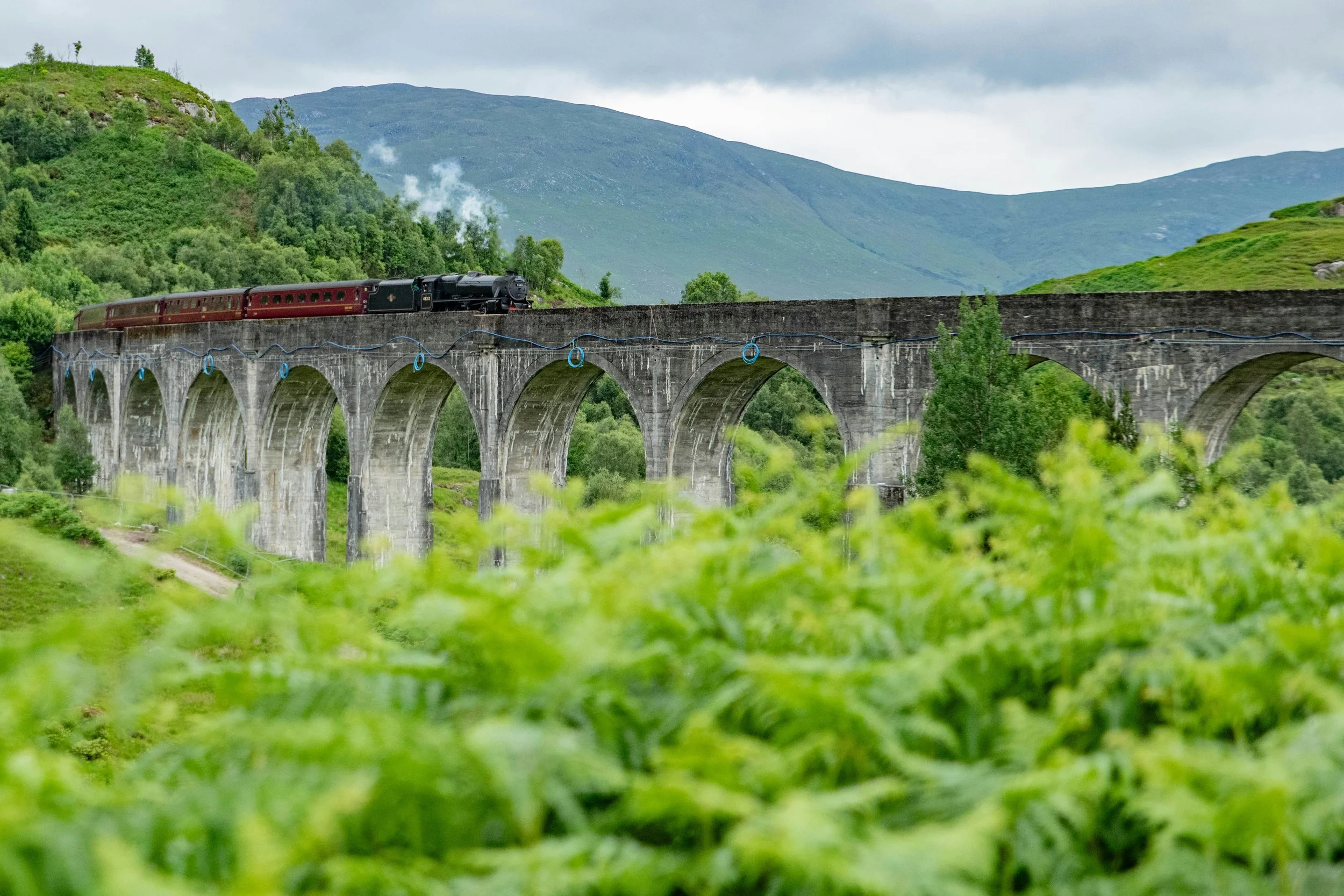
Journey on the Jacobite steam train (Harry Potter train) - Described as the greatest railway journey in the world
Scottish distillery experience
Full day tour on the Isle of Skye
Half day private guided tour around Loch Ness
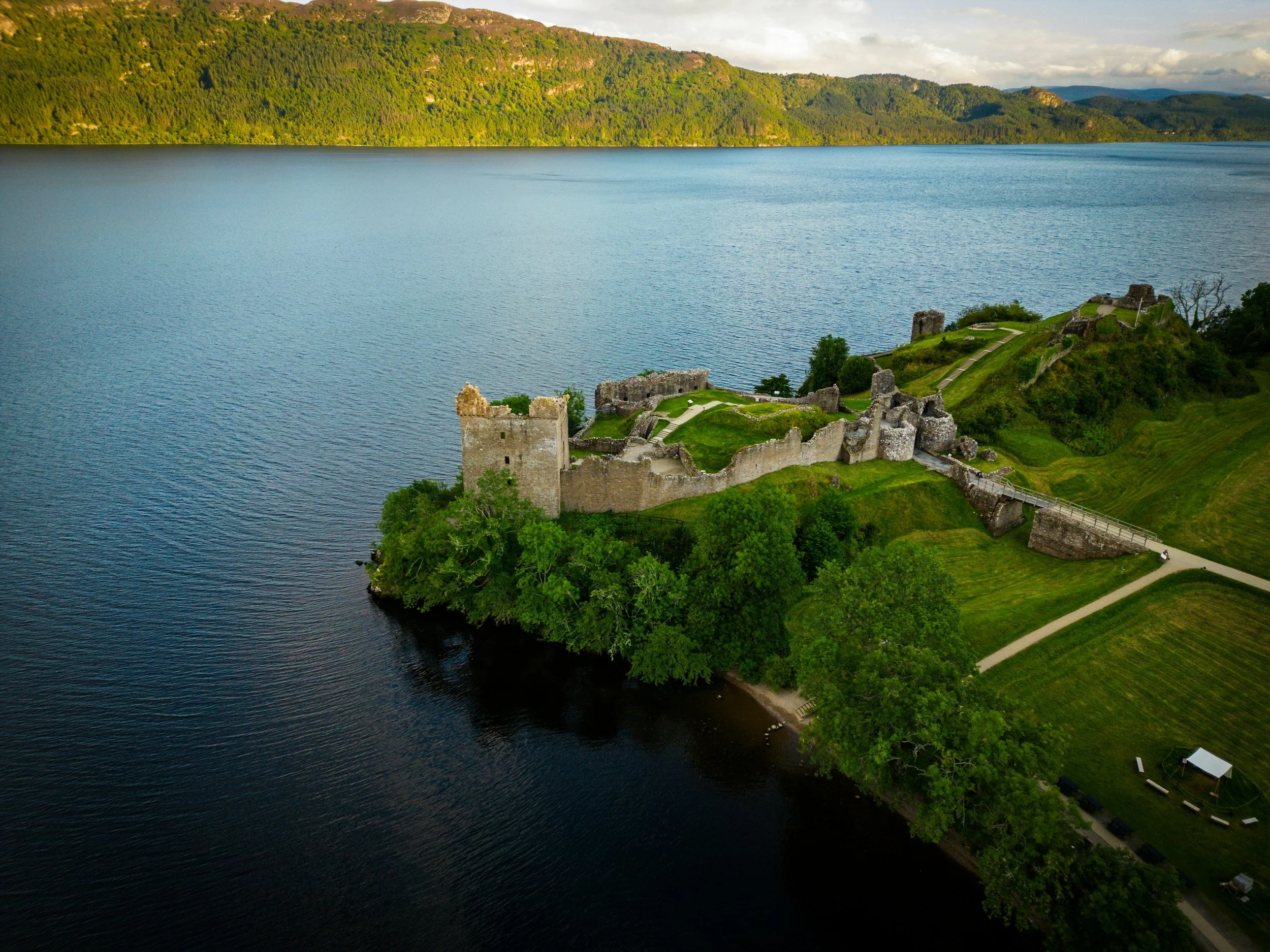
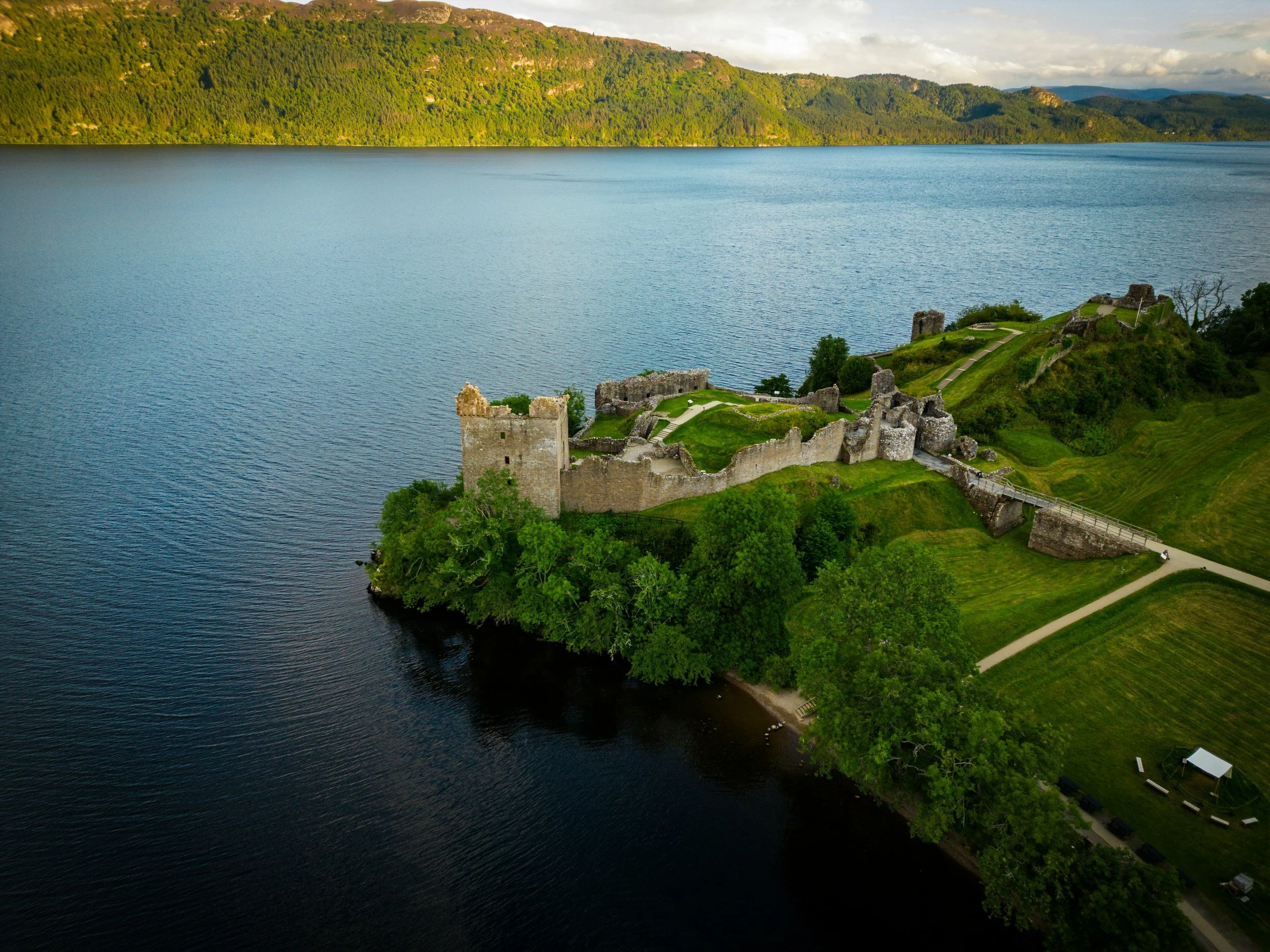
Entry to Urquhart Castle
Full day tour of the Orkney Islands
Private coach during our tour
10 nights' 4* hotel accommodation
100% Financial Protection
-
Meals & drinks not stated in our itinerary
Personal Travel Insurance
Gratuities
Visa costs
Any local taxes
-
GUARANTEED DEPARTURE
EARLYBIRD PRICES
PAYMENT PLANS AVAILABLE
Sole Occupancy Room
£8,823 | $11,700 USD
Twin/Double Occupancy Room
£7,343 | $9,750 USD per person
Kindly note the USD$ exchange rate is subject to fluctuation change
-
Day One – 13 May 2027 - Glasgow
Scotland's largest city rewards even a single day's exploration with extraordinary richness. Born as a medieval ecclesiastical settlement on the River Clyde, Glasgow grew to become one of the great industrial powerhouses of the Victorian era, its prosperity expressed in a legacy of magnificent sandstone architecture that still defines the cityscape today. Yet this is a city that wears its history lightly, animated by a restless creative energy and a famously warm civic spirit.
A day here might begin at the Kelvingrove Art Gallery and Museum, a breathtaking red sandstone landmark housing a world-class collection that ranges from Dutch masters to Charles Rennie Mackintosh. The work of Mackintosh — Glasgow's own architectural genius — permeates the city, and a visit to the recently restored Glasgow School of Art or the Willow Tea Rooms offers an intimate encounter with his singular vision. The Merchant City quarter rewards leisurely exploration, its elegant Georgian streetscapes now home to independent galleries, artisan food halls and acclaimed restaurants championing the finest Scottish produce. Glasgow, quite simply, surprises and delights in equal measure.
Day Two – 14 May 2027 - Glasgow to Fort William
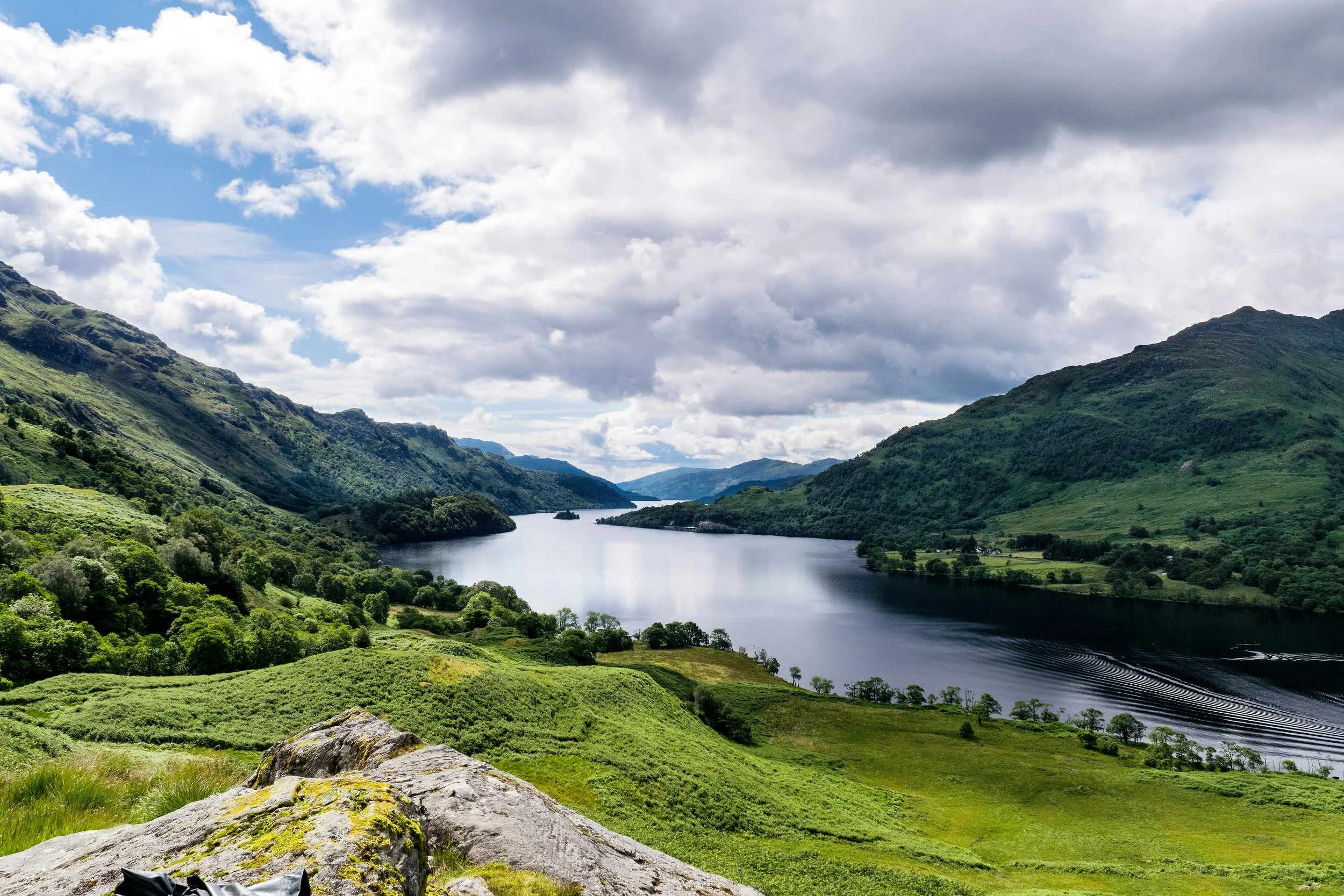
Leaving Glasgow behind, the coach journey northward to Fort William is one of Scotland's most rewarding scenic passages, unfolding across approximately three hours of ever-changing and increasingly dramatic landscape. The route skirts the eastern shore of Loch Lomond, the largest freshwater loch in Britain, its wooded islands and mirror-still waters framed by the first intimations of Highland grandeur. This marks the gateway to the Trossachs, a landscape that inspired the poetry of Robert Burns and the novels of Sir Walter Scott, and where the light seems to shift and soften with every passing mile.
Beyond Crianlarich the scenery becomes wilder and more elemental, the open moorland of Rannoch — one of Europe's last great wildernesses — stretching to the horizon beneath vast skies. The approach to Fort William through Glencoe is profoundly stirring, its towering volcanic peaks and shadowed glen steeped in both geological antiquity and the poignant history of the 1692 massacre. Fort William itself sits in the shadow of Ben Nevis, Britain's highest mountain, at the head of the sea loch known as Loch Linnhe — a setting of quiet majesty and a natural gateway to the Western Highlands.
In the afternoon, we have included a ride on the Nevis Range Gondola. Rising from the valley floor at Torlundy, just a few miles north-east of Fort William, the Nevis Range Gondola offers one of the most effortless and exhilarating ascents in the Scottish Highlands. Gliding smoothly upward through native woodland and open mountainside, the enclosed eight-person cabins climb to a height of 655 metres on the northern flanks of Aonach Mòr, delivering passengers to a mountain station of quite breathtaking aspect.
The views from the top are simply magnificent. On a clear day the panorama encompasses the full majesty of Ben Nevis — Britain's highest peak — rising dramatically to the south, whilst to the west the eye travels across a vast sweep of Highland landscape towards the distant shimmer of the sea lochs and the islands of the Inner Hebrides, including Mull and, on the clearest of days, the distant outline of the Isle of Skye. To the north and east, range upon range of ancient Caledonian mountains recede into the blue distance.
At the summit station, a terrace cafe provides a welcome opportunity to absorb the scenery in comfort over a warming drink, whilst more adventurous visitors may wish to explore the mountain trails that fan out across this high plateau. In winter the area transforms into Scotland's highest ski resort, but in the gentler months it offers a rare and privileged encounter with the raw, timeless beauty of the Highland peaks — accessible to all, whatever their level of fitness or ambition.
Day Three – 15 May 2027 - Fort William to Skye
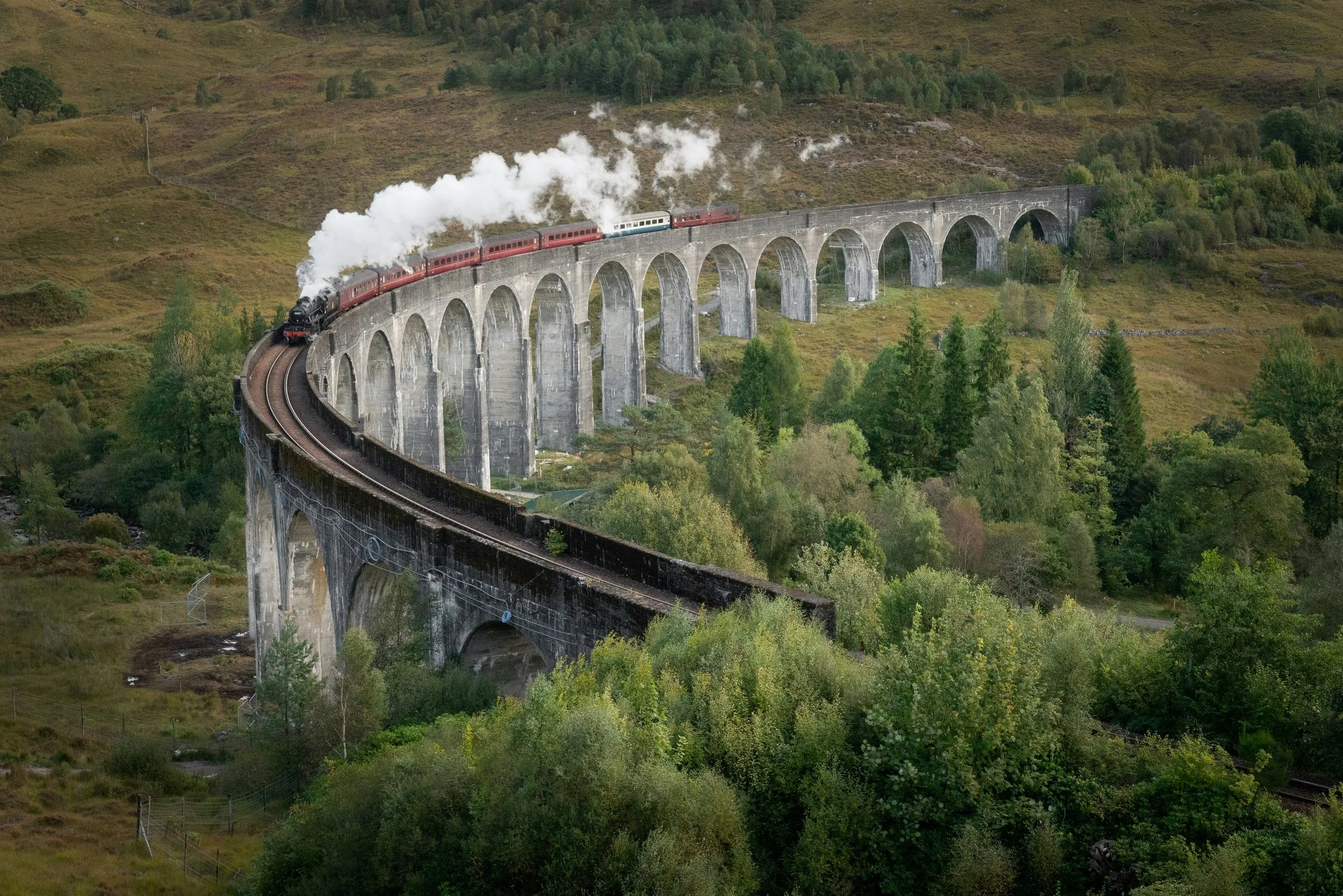
This morning you take the Jacobite train (also known as the Harry Potter train) at 10.15 from Fort William to Mallaig, arriving at 12.26. Few railway journeys anywhere in the world can rival the romance and spectacle of the Jacobite, the celebrated steam train that winds its way from Fort William westward to the fishing port of Mallaig through some of the most breathtaking scenery in the British Isles. Hauled by a vintage steam locomotive whose billowing clouds of white smoke add a wonderfully theatrical quality to the experience, this is a journey to be savoured slowly, with eyes firmly fixed upon the ever-changing landscape beyond the carriage window.
Departing Fort William, the train crosses the famous Glenfinnan Viaduct, a masterpiece of Victorian engineering whose twenty-one graceful arches curve across the head of Loch Shiel in a setting of such cinematic grandeur that it has captured imaginations worldwide — not least as a location in the Harry Potter films. At Glenfinnan itself, a solitary monument marks the precise spot where Bonnie Prince Charlie raised his standard in 1745, launching the last great Jacobite uprising, lending the entire landscape a powerful and poignant historical resonance.
Beyond Glenfinnan the train passes through a succession of breathtaking vignettes — lonely sea lochs, ancient oak and birch woodland, remote silver-sand beaches and the still, dark waters of Loch Eilt — before descending to the shore of the Sound of Sleat and arriving at the charming harbour village of Mallaig. Here, with the mountains of Skye brooding magnificently across the water, the journey reaches a conclusion that feels, in every sense, like a true arrival at the edge of the world.
Your coach meets you in Mallaig. Time for a short walk around this fishing village and port, and a chance for some lunch (own expense) before boarding the ferry with your coach at about 14.00 hrs for the thirty-minute crossing to Armadale on the Isle of Skye. You continue your journey northwards from Armadale to the main town of Skye, Portree, where you spend two nights.
Departing Armadale's small ferry terminal on the southern Sleat peninsula, your coach winds northward through Skye's most intimate landscapes — woodland glens, tranquil sea lochs and the verdant "Garden of Skye." Passing through Broadford, the great Red Cuillin hills rise to the east, their rounded forms softening the drama to come. Beyond Sligachan, the jagged Black Cuillin ridge dominates the skyline with breathtaking authority, one of the most celebrated mountain panoramas in all of Scotland. The road then descends through Glen Varragill towards Portree's picturesque harbour, where brightly painted Georgian townhouses cluster around a sheltered bay — a fittingly charming conclusion to a journey of remarkable and varied beauty.
Dinner is included at the hotel on the first night here.
Day Four – 16 May 2027 - On Skye
There is a full day’s excursion on your coach from Portree today. Highlights include seeing the Fairy Bridge, the Edinbane pottery, Dunvegan Castle and Gardens, and Talisker whisky distillery.
Leaving Portree's colourful harbourfront, the coach travels north-westward through open moorland, where heather-clad hillsides stretch towards the distant shores of Loch Snizort. The road passes through the scattered settlements of Skeabost and Bernisdale, offering tantalising glimpses of island-studded sea lochs before descending towards the head of Loch Dunvegan. Here, surrounded by mature woodland and formal gardens, Dunvegan Castle comes dramatically into view — seat of the Clan MacLeod for over eight centuries and the oldest continuously inhabited castle in Scotland, its turrets reflected in the still waters of the loch. Few arrivals in the Scottish Highlands carry quite such a sense of living history.
Departing Dunvegan, the coach heads south along the eastern shore of the loch before striking inland across the broad, peat-dark moorland of Duirinish and Bracadale. The landscape here is defined by the extraordinary flat-topped hills known as MacLeod's Tables, twin basalt peaks of great geological and legendary significance, which preside over the peninsula with quiet, elemental authority. Descending towards the west coast, the wild Minginish coastline gradually reveals itself, with the Atlantic horizon opening beyond. The road winds down into the sheltered valley of Talisker Bay, where Scotland's oldest working distillery on Skye awaits — its peaty, maritime single malt as much a product of this dramatic, sea-lashed landscape as of any craftsman's hand.
Day Five – 17 May 2027 - Skye to Fort Augustus
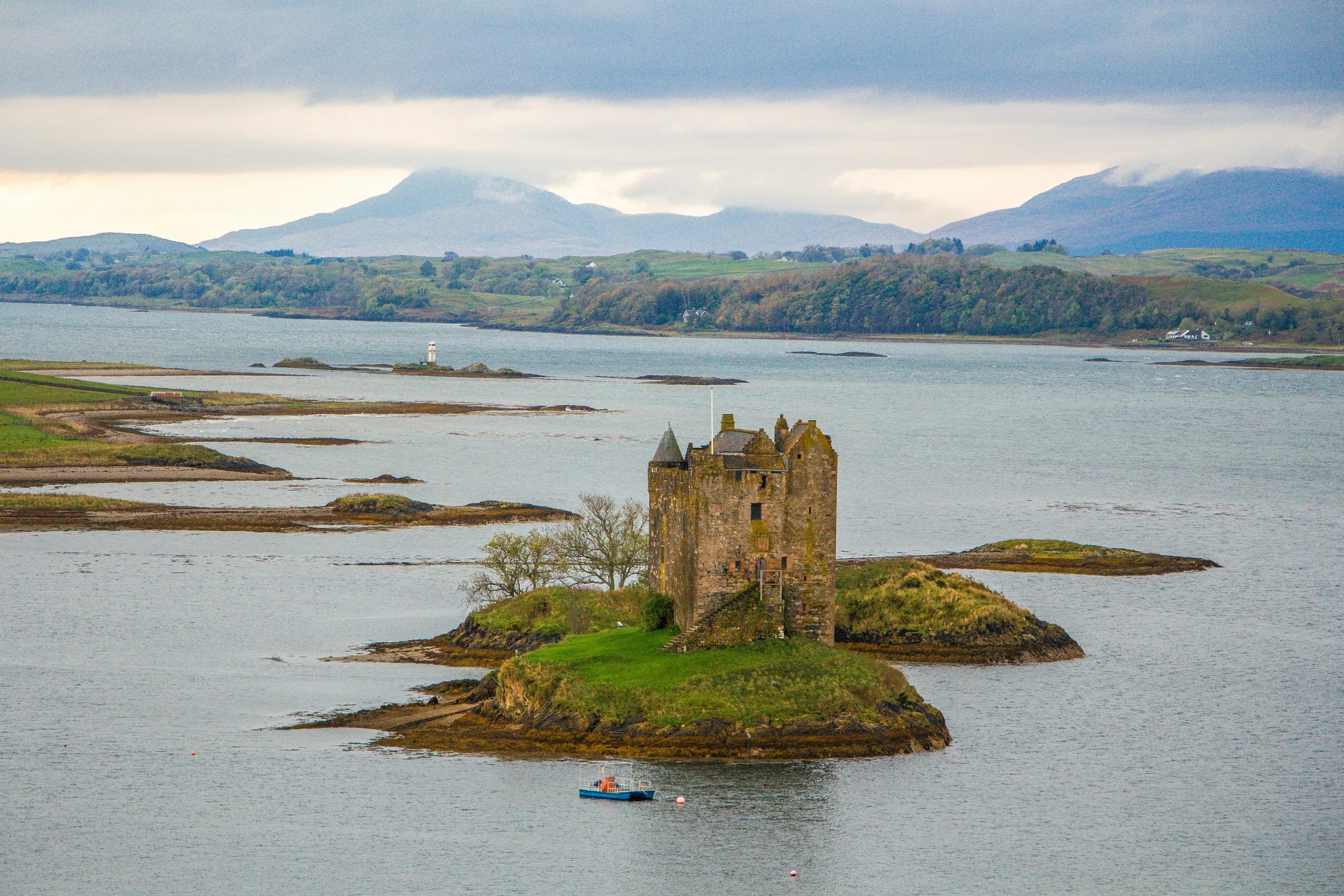
Departing Portree, the coach retraces the scenic Glen Varragill road southward before crossing the Skye Bridge at Kyle of Lochalsh — a graceful modern span that replaced the famous ferry crossing and frames a magnificent view across the tidal narrows to the ruins of Eilean Donan's near neighbour, Castle Moil. Passing through Kyle, the route enters the Scottish mainland proper, joining the shores of Loch Duich where Eilean Donan Castle — perhaps the most photographed fortress in all of Scotland — rises from its island promontory with timeless romantic grandeur. The road then climbs through Glen Moriston, a long and deeply beautiful valley of ancient Caledonian pine, rushing river and purple hillside, before descending to the southern shore of Loch Ness. Here the coach follows the great loch's western bank through the village of Invermoriston, with the dark, peat-stained waters of this legendary and vast inland sea stretching northward into the Highland haze, before arriving at the handsome canal town of Fort Augustus, where Loch Ness meets the Caledonian Canal in a charming staircase of locks — a quietly captivating conclusion to a journey of outstanding Highland splendour.
Two nights are spent in Fort Augustus.
Day Six – 18 May 2027 - In Fort Augustus
Today you enjoy a half-day tour with a local guide in your coach, taking you to highlights on Loch Ness and learning about the history and myths associated with this magical lake.
Fort Augustus sits at the southernmost tip of Loch Ness, a small and thoroughly agreeable Highland town whose character is defined by the remarkable staircase of five locks that carries the Caledonian Canal — Thomas Telford's great early nineteenth-century engineering achievement — down to meet the loch. Watching the leisurely passage of yachts and canal boats through the locks is one of the quiet pleasures of any visit, and the former Benedictine abbey, now converted to private use, lends the town a pleasing architectural distinction. From here, Loch Ness stretches northward for some twenty-three miles, one of the most celebrated bodies of water in the world and, by volume, the largest freshwater loch in the British Isles. Its waters are famously dark and peaty, rarely exceeding a visibility of a few feet, and the loch plunges to depths of over 750 feet — facts that have done nothing to discourage the enduring legend of its mysterious inhabitant. The enclosing hillsides, clothed in heather, bracken and remnant woodland, change character with every shift of Highland light, and the ruins of Urquhart Castle, dramatically positioned on a rocky promontory midway along the northern shore, add a powerful note of medieval romance to a landscape already rich in atmosphere and grandeur.
Day Seven – 19 May 2027 - Fort Augustus to Brora
Departing Fort Augustus, the coach follows the eastern shore of Loch Ness northward along one of the great scenic roads of the Scottish Highlands, with the vast dark waters of the loch ever-present to the left and steep, wooded hillsides rising to the right. The romantically ruined towers of Urquhart Castle, superbly positioned above the loch on a rocky promontory, provide one of the journey's earliest and most memorable landmarks. Passing through the village of Drumnadrochit, the road continues to Inverness — the self-styled capital of the Highlands — a handsome and lively city set at the mouth of the River Ness, where the pink sandstone castle commands fine views over the surrounding countryside. Crossing the Kessock Bridge over the Beauly Firth, the coach enters the Black Isle, that fertile and somewhat mis-named peninsula whose rich farmland and woodland feel almost genteel after the wilder Highland landscapes to the south. Beyond the market town of Dingwall, the route follows the shores of the Cromarty Firth, where the extraordinary sight of redundant North Sea oil platforms moored in the sheltered waters lends an unexpectedly industrial note to an otherwise pastoral scene. The road then passes through the agreeable town of Tain — Scotland's oldest royal burgh — before crossing the broad and beautiful Dornoch Firth by the modern road bridge. From Dornoch, with its magnificent medieval cathedral and championship links golf course, the route hugs the Sutherland coastline northward through a quieter, more intimate landscape of sandy bays, dune grassland and small crofting settlements, arriving eventually at the ancient and unpretentious town of Brora on its sheltered bay — a place of considerable charm, whose coal-mining, salt-panning and whisky-distilling heritage speaks eloquently of the self-sufficient ingenuity of these far northern communities.
You spend two nights in Brora.
Day Eight – 20 May 2027 - Brora to Orkney and back
You depart northwards by coach this morning to cross by ferry from Scrabster to Stromness. Here you are met by a local guide who will accompany you around Orkney explaining the background to this fascinating archipelago.
Orkney is one of the most rewarding and surprising destinations in the whole of the British Isles — an archipelago of some seventy islands lying just a short ferry crossing north of the Scottish mainland across the famously turbulent Pentland Firth, yet possessed of a character and identity entirely its own. The largest island, known simply as the Mainland, contains the principal town of Kirkwall, whose narrow medieval streets are dominated by the magnificent twelfth-century St Magnus Cathedral, built in warm red and yellow sandstone and representing one of the finest examples of Romanesque architecture anywhere in northern Europe. The smaller town of Stromness, with its flagstone-paved waterfront and lanes that tumble directly to the harbour's edge, has a distinctly Scandinavian atmosphere that reflects Orkney's long Norse heritage — these islands were part of the Kingdom of Norway until the fifteenth century, and the influence remains palpable in place names, dialect and temperament.
Yet it is perhaps Orkney's extraordinary concentration of prehistoric monuments that most astonishes the visitor. The Heart of Neolithic Orkney, a UNESCO World Heritage Site, encompasses the great chambered tomb of Maeshowe, the standing stones of Stenness and the magnificent Ring of Brodgar — a sweeping circle of weathered monoliths set on a narrow isthmus between two lochs — as well as the remarkable village of Skara Brae, preserved beneath the sand dunes of the Bay of Skaill for five thousand years and now revealed as one of the best-preserved prehistoric settlements in all of Europe. The landscape that contains these wonders is itself quietly beautiful — wide, treeless, windswept farmland under enormous skies, with the sea never far from view in any direction and the light, particularly in the long summer evenings, possessing an extraordinary clarity and luminosity. Orkney is, in short, a place of profound antiquity, great natural beauty and unexpected cultural richness that rewards the unhurried and curious traveller most generously.
Return by ferry and coach to Brora this evening.
Dinner is included at your hotel this evening.
Day Nine – 21 May 2027 - Brora to Pitlochry
Departing Brora, the coach heads southward along the Sutherland and Caithness coastal plain, a landscape of unexpected fertility and openness after the wilder Highland interior, with the North Sea glittering to the east and the great rounded hills of the Flow Country brooding on the western horizon. The road passes through Golspie, where the imposing statue of the first Duke of Sutherland stands atop the prominent summit of Ben Bhraggie — a figure of considerable historical controversy given his central role in the notorious Highland Clearances — before reaching the elegant town of Dornoch with its cathedral and celebrated golf links. Crossing back over the Dornoch Firth, the route retraces its passage through the agreeable town of Tain and along the fertile shores of the Cromarty Firth, where the distant peaks of the northern Highlands provide a constantly changing backdrop of considerable grandeur.
Passing once more through Inverness, the coach turns southward to follow the valley of the River Ness before joining the A9 — the great spine road of Highland Scotland — which climbs steadily through the broad and handsome strath of the River Findhorn. Beyond Carrbridge, with its romantically ruined packhorse bridge of 1717, the road enters the Cairngorms National Park, Britain's largest, where vast plateaux of ancient granite moorland support rare Arctic and sub-Arctic wildlife and the ski slopes of the Cairngorm mountains rise to the east. Descending through Kingussie and Newtonmore, the coach follows the broad valley of Strathspey southward, with the River Spey — one of Scotland's most celebrated salmon rivers — winding through rich meadowland below. The Pass of Drumochter, at over 450 metres the highest point on the entire British trunk road network, marks the transition from the Highlands proper into the softer landscapes of Perthshire, and from here the road descends with gathering momentum through the birch and pine-clad hills of the southern Highlands. The journey concludes at Pitlochry, a handsome Victorian resort town set in the wooded valley of the River Tummel, whose combination of fine scenery, celebrated theatre, whisky distilleries and the remarkable salmon ladder at the hydroelectric dam make it one of the most appealing and characterful small towns in the whole of Scotland.
Day Ten – 22 May 2027 - Pitlochry to Edinburgh
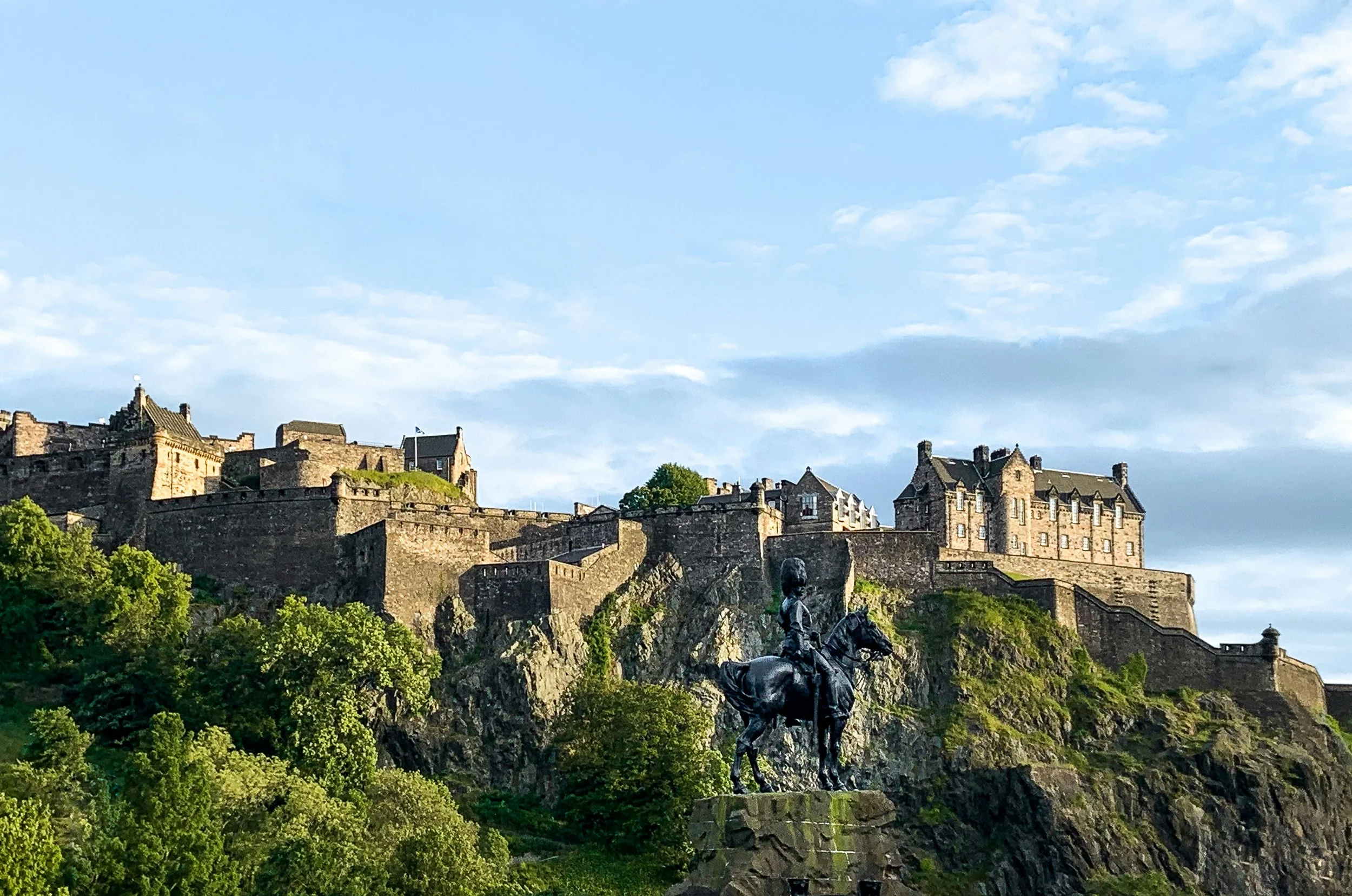
Departing Pitlochry, the coach descends through the magnificent wooded gorge of the River Garry before passing the ancient battlefield of Killiecrankie, where the Jacobites won a famous but costly victory in 1689. The road continues through the prosperous market town of Perth, elegantly situated on the banks of the Tay — once the capital of Scotland — before crossing into the fertile farmland of Kinross-shire. The Ochil Hills provide a pleasing final flourish of Highland drama before the landscape gentles into the broad Forth valley, and Edinburgh announces itself with sudden and breathtaking drama as the castle rock and the spires of the Old Town rise magnificently above the horizon.
Edinburgh is one of the great capital cities of Europe — a place of extraordinary drama, beauty and intellectual distinction built upon a series of volcanic hills above the Firth of Forth. The medieval Old Town tumbles down the Royal Mile from the magnificent castle rock to the Palace of Holyroodhouse, a concentrated labyrinth of closes, courtyards and ancient tenements of tremendous atmospheric intensity. The elegant Georgian New Town, by contrast, represents one of the finest examples of planned urban architecture anywhere in the world. Between them, these two remarkable quarters encompass a city of world-class museums, vibrant restaurants, distinguished galleries and an unrivalled annual arts festival of truly international renown.
In the afternoon there is included a walking tour with local guide in Edinburgh.
Day Eleven – 23 May 2027 - End of tour
Scotland | 13th - 23rd May 2027 | £1,500pp Deposit | MONTHLY PAYMENT PLANS AVAILABLE
Kindly note Credit card providers often block vacation purchases due to automated fraud prevention systems. Please contact your card provider should this happen.
GUARANTEED DEPARTURE